
Study the Earth with Us
Geosciences is a diverse and interdisciplinary field that explores the physical, chemical, and biological aspects of the Earth and its surrounding environments.

Earth Sciences
Earth science majors study the earth as a dynamic, interactive system of land, sea, atmosphere, and solar system.

Geology
Geology is the study of materials and processes that form and shape the earth.
Geosciences Programs
Why Choose Geosciences at Buffalo State?
Field Experiences
Our field experiences immerse you in the energy of a chosen subject, giving you dynamic, hands-on practice, while you build professional connections for future job opportunities, and gain the confidence to step into your new career.
- Close proximity to geological sites in parts of Ontario and central New York
- Opportunities for National and International Field Courses
World Class Facilities
The Geosciences department has world class labs, outdoor classrooms, outdoor green space for experiments, and a planetarium for research, experiments, and study.
Research and Internships
Research opportunities are available to students. Each year, our students present their work at the Student Research and Creativity Conference.
Student Research and Creativity Conference
Successful internship programs enable qualified students to gain credit and "real world experience" by working for private sector firms, local, state, or federal government agencies.
Top-ranked Faculty
Our instructors involve students in hands-on activities, outdoor learning, and exploration in their very first class. Classes may include studying rocks and minerals, conducting field surveys, and field trips. They teach real-world issues, such as climate change, coastal damage, and planetary science.
The strong need for science teachers also helps create a supportive learning environment where students can build relationships with professors, receive guidance, and take part in research activities.
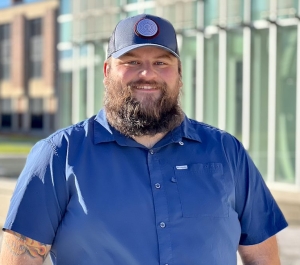
Student Perspective
“My entire life, I’ve been curious about what exists outside of our Earth. I wanted to do something with very deep space and something we don’t know much about.”
Cody Crist, '22 | SUNY Chancellor’s Award for Student Excellence Special Award: Military Service Recipient
Most earth science graduates find jobs in fields including:
- Alternative Energy
- Advocacy/Lobbying
- Alternative Energy Research
- Environmental Science Consultant
- Environmental Site Assessment
- Geological Mapping
- Landfill Development/Maintenance
- Marine Engineering
- Mining & Exploration
- Mining Risk/Hazard Prevention
- Oceanography
- Paleontology
- Petroleum Discovery/Drilling
- Seismology
- University/High School Education
- Volcanology
- Water Supply Contamination
Professional Services Companies
Consulting
- GZA Geo Environmental
- WSP Services
- Buffalo Environmental and Construction Group
- Paradigm Environmental Services, Inc.
- Marino Engineering Associates
- Derrick
- Universal Engineering Sciences
- Fisher Associates
- Mollenberg Betz
- Stantec Environmental
- Geo-Technology Associates
- LaBella GIS Consulting
- Inventum Engineering, P.C.
- Environmental Advantage, Inc.
Energy
- National Fuel Gas
- Baker Hughes Energy
Testing Laboratories
- EMSL (water testing laboratories)
- TestAmerica Analytical Testing Corp.
- Atlantic Testing Laboratories
- Eurofins Environmental Testing
Technical Equipment Development
- Integer Greatbatch
Government
- Town of Tonawanda
- City of Buffalo
- City of Salamanca
- Erie County
- New York Department of State
- New York State Department of Parks and Trails
- United States Geological Survey
- United States Geodetic Survey
- Bonneville Power Administration
- United States Department of Veterans Affairs
Public Science
- Buffalo Science Museum
- Planetariums
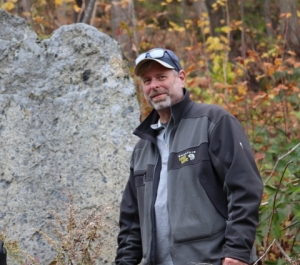
Faculty Perspective
“I always tell the students, the field trips are more important than the classes. The lectures and the labs support the field experience, not the other way.”
Gary Solar | Chair and Professor